
A letter from our founder
A Letter from Our Founder
My Roots, and the Tree That Grew
Joey Low, Founder
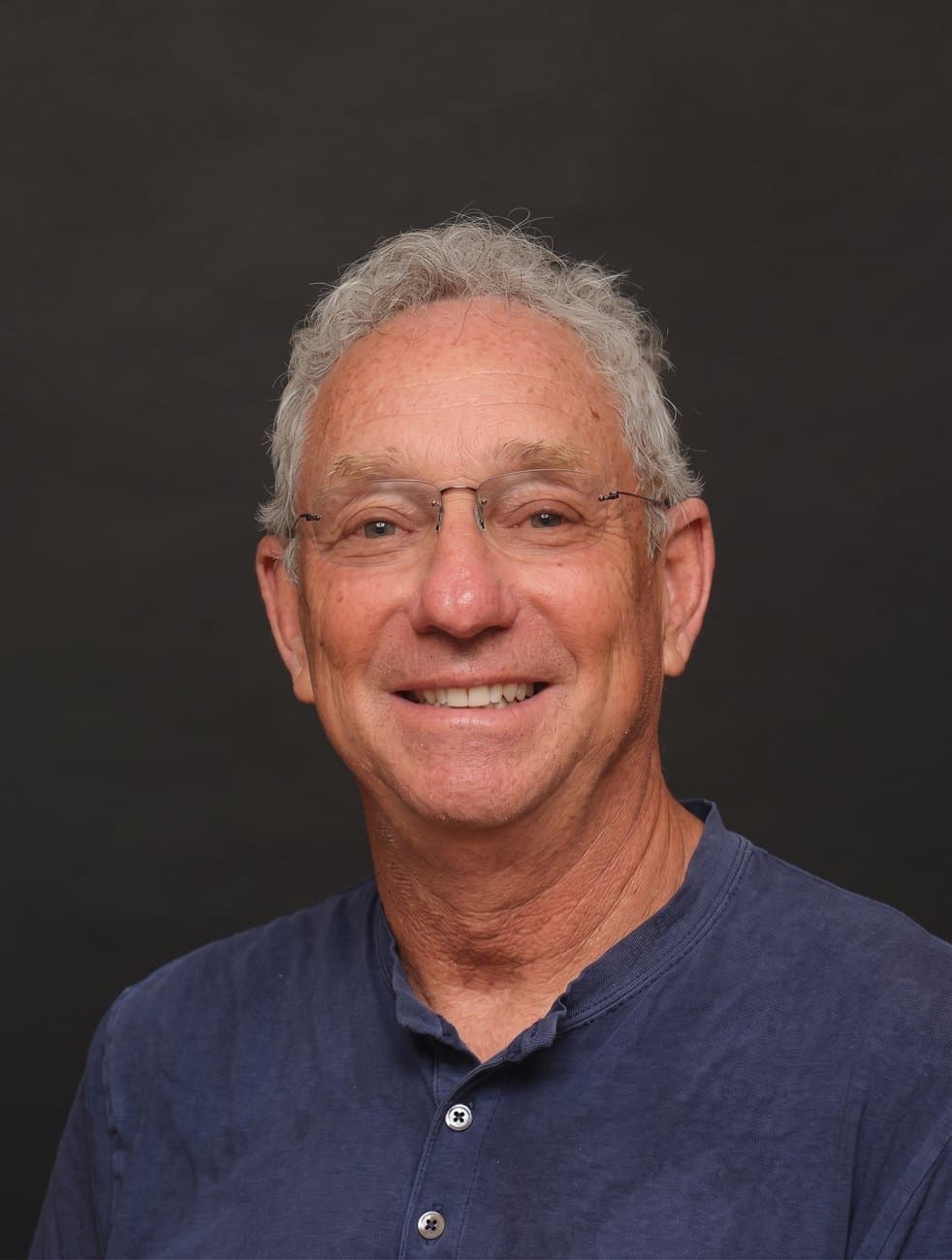
Israel at Heart began with values that were instilled in me long before the organization existed: a deep connection to Israel, a love and pride in my Jewish heritage, and a tremendous respect for immigrants and refugees.
My roots
My parents, Hannah and Eddy Low, were themselves refugees who fled Europe because of the Second World War. My mother was born in Berlin and arrived in New York as a fourteen-year-old after her family had made its way through Belgium, France and Cuba. My father was born in Vienna and came to America with his family in 1939, at the age of thirteen.
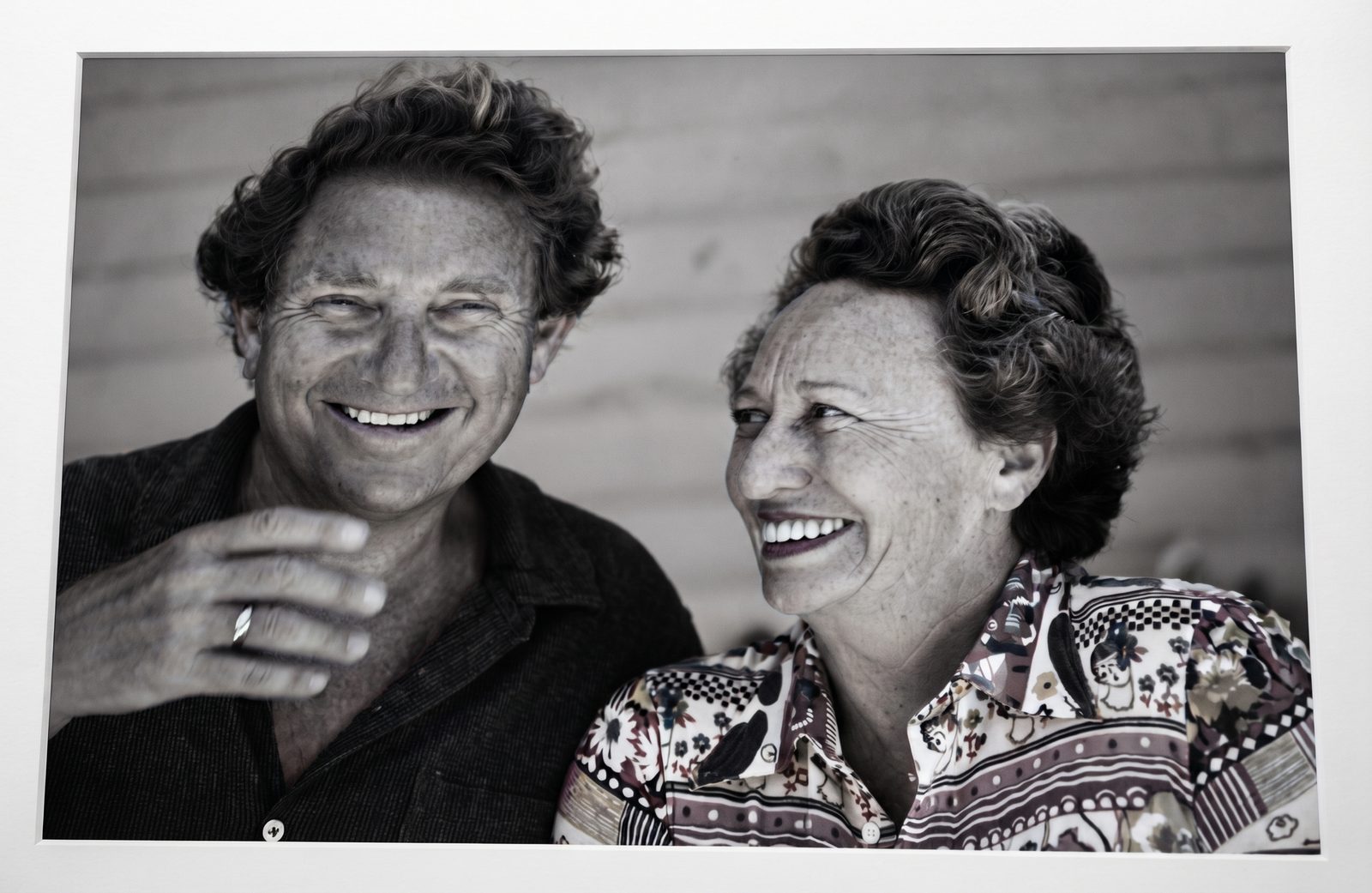
They built new lives in New York, married in 1949, and raised their family with a powerful sense of gratitude for the country that had given them a home. They sent all of their children to Ramaz, a Jewish day school, because they wanted us to understand and appreciate our Jewish heritage.

The lessons they passed on to me were simple but profound: tremendous respect for immigrants and refugees, love and pride in being Jewish, and a deep connection to Israel.
“Those values affected my entire life.”
I attended Ramaz from kindergarten through twelfth grade and then went to NYU, like my mother. During my junior year of college, in 1971 and 1972, I went to Hebrew University in Jerusalem. In 1973, I returned to Israel as a volunteer during the Yom Kippur War.
That experience cemented my relationship with Israel for the rest of my life.

And then came 2002
The Second Intifada had begun in September 2000, but in 2002 the violence escalated dramatically, with suicide bombings striking the heart of Israeli cities. It culminated in the Passover suicide bombing at the Park Hotel in Netanya on March 27, followed by Israel's launch of Operation Defensive Shield.
What troubled me was not only the terror itself, but the way Israel was being portrayed.
Rather than presenting the facts as they were taking place and explaining the necessity of Israel protecting its citizens, much of the media chose to cast Israel in a very negative way. American tourists were stopping their trips to Israel out of fear of terrorist attacks in Israeli cities.
I felt it was time to get involved.
I wanted to help Israel present a more truthful portrayal of Israelis and of Israel's actions in defending itself.
If tourists were not coming to Israel, I thought, perhaps we could bring young Israelis to America, and let them make their case directly to the American public.
The first young Israelis
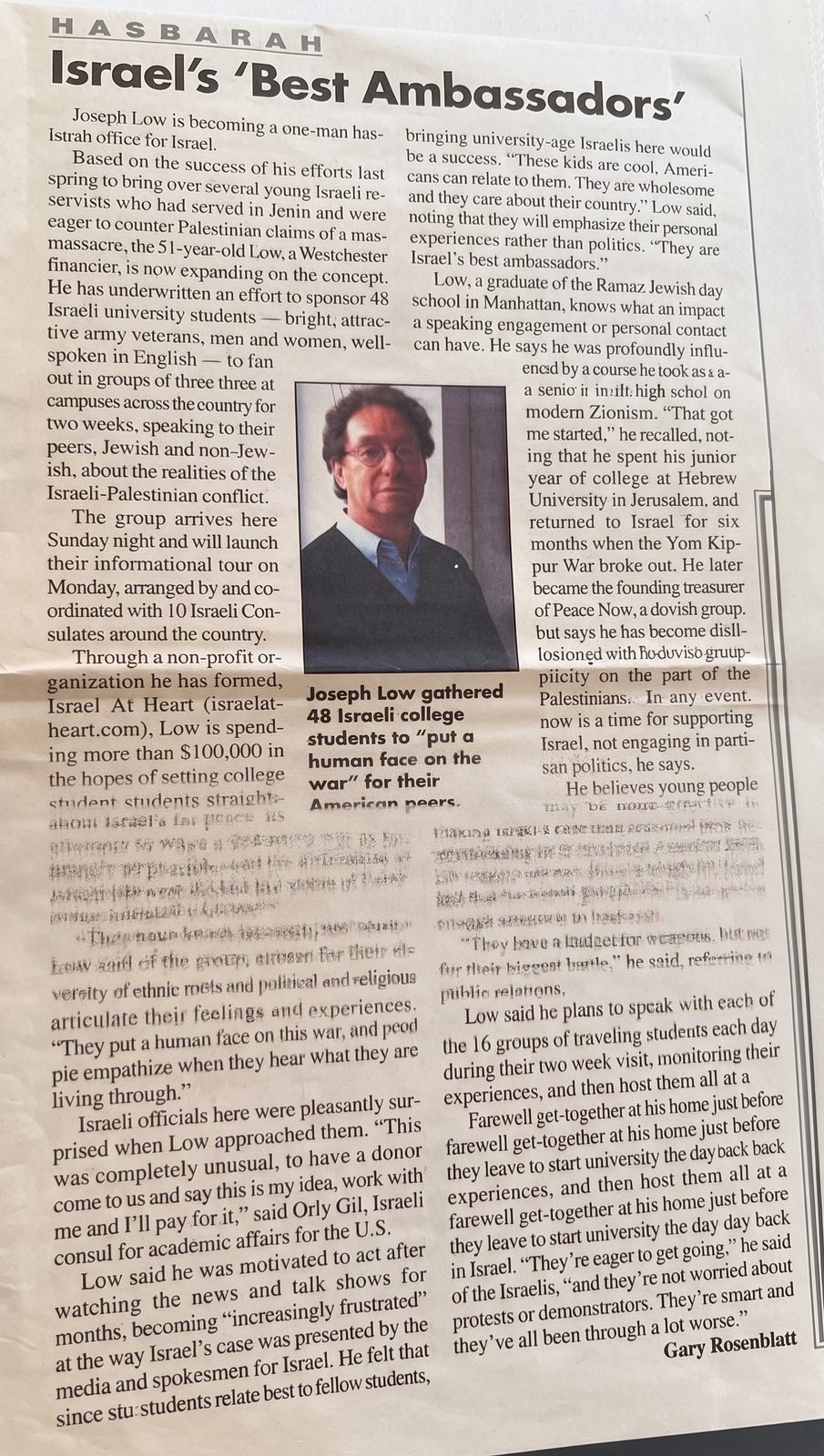
In April 2002, I began by bringing three young Israelis to several American college campuses. I wanted to give them the opportunity to express their frustration with the way Israel was being perceived at a time when Israel was under serious and constant attack.
I quickly followed with a second trip, this time with two young men who had just fought in Jenin during Operation Defensive Shield. They shared their impressions of what they had seen and experienced firsthand.
Within a few short months, I interviewed hundreds of young Israelis and began choosing those whom I felt could present Israel far better than any diplomat or government spokesperson.
I sent 48 young Israelis, twenty-year-olds in groups of three, to America. They had all finished their army service, spoke English very well and, most importantly, loved Israel and wanted to defend her abroad.
Each group was given a two-week schedule of college campuses, churches, synagogues and high schools in different parts of America. They were given a car, cell phones, a fully packed schedule and sleeping accommodations, mostly in campus dormitories.
“I did not want these young Israelis simply to lecture at American students. I wanted them to meet them, live alongside them, listen to them and bond with them.”
That was the beginning.
From a handful to a movement
What started with a handful of young Israelis traveling to American campuses eventually became more than one thousand students traveling throughout America, then Europe and South America. We always tried to choose Israelis who would appeal to the very diverse communities of students we met.
In Europe and South America, I did my best to find Israelis who spoke the languages of the countries they visited. From the very beginning, I also tried to include an Ethiopian Israeli in each group of three, so that our students could speak authentically about discrimination and respond to accusations that Israel was an apartheid state.
Through this work, I learned a great deal about the Ethiopian Israeli community.
A scholarship, and a new chapter
In 2006, I approached Professor Reichman and offered to provide scholarships to Ethiopian Israelis whom we felt deserved the opportunity to receive a top-level education. We created a committee to review the applications, and I established the standards I wanted the students to meet: strong English speakers, experience in elite army units, and, above all, strong leadership potential.
The rest is history.
Today, we are celebrating the twentieth anniversary of the Israel at Heart scholarship program for Ethiopian Israelis. More than 250 students have graduated, more than 45 are currently studying in a variety of faculties, and approximately 15 new students join the program each year.
And the program is now run by Ester David, herself a graduate of Israel at Heart, a member of the Israeli-Ethiopian community, and one of the young Israelis who traveled to the United States back in 2002.
The roots remain the same
When I look back, I understand that Israel at Heart did not really begin in 2002.
Its roots go back much further, to two refugees who rebuilt their lives in America and taught their children never to take freedom, family or a home for granted. They taught me to respect those who are forced to leave their homes, to take pride in who we are, and to remain connected to Israel.

Those values became the foundation of Israel at Heart.
The tree has grown in ways I could never have imagined when I sent those first three young Israelis to America, but the roots have never changed: pride in our Jewish heritage, a deep connection to Israel, respect for immigrants and refugees, and a belief that people, especially young people, can change the way Israel is understood when they are given the opportunity to tell their own stories.
That is the story of Israel at Heart.
And after more than two decades, the tree continues to grow.
Joey Low