Culture & Music
When Shotei HaNevua brought Israel to America's campuses
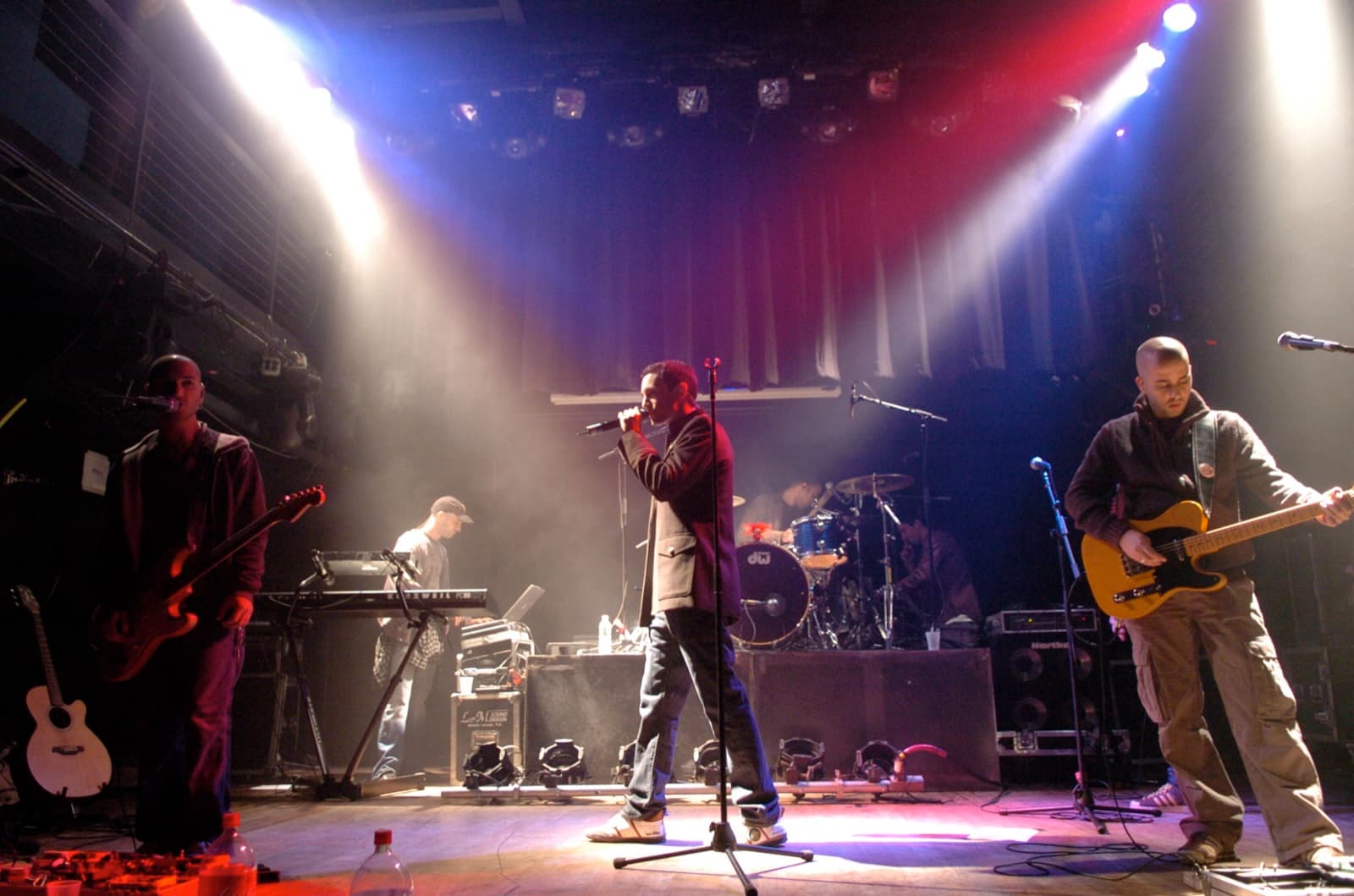
In 2005, Israel at Heart tried something new: instead of sending student speakers, it sent a band. Shotei HaNevua played Harvard, Yale, Columbia, and more, letting the music open doors that politics often closed.
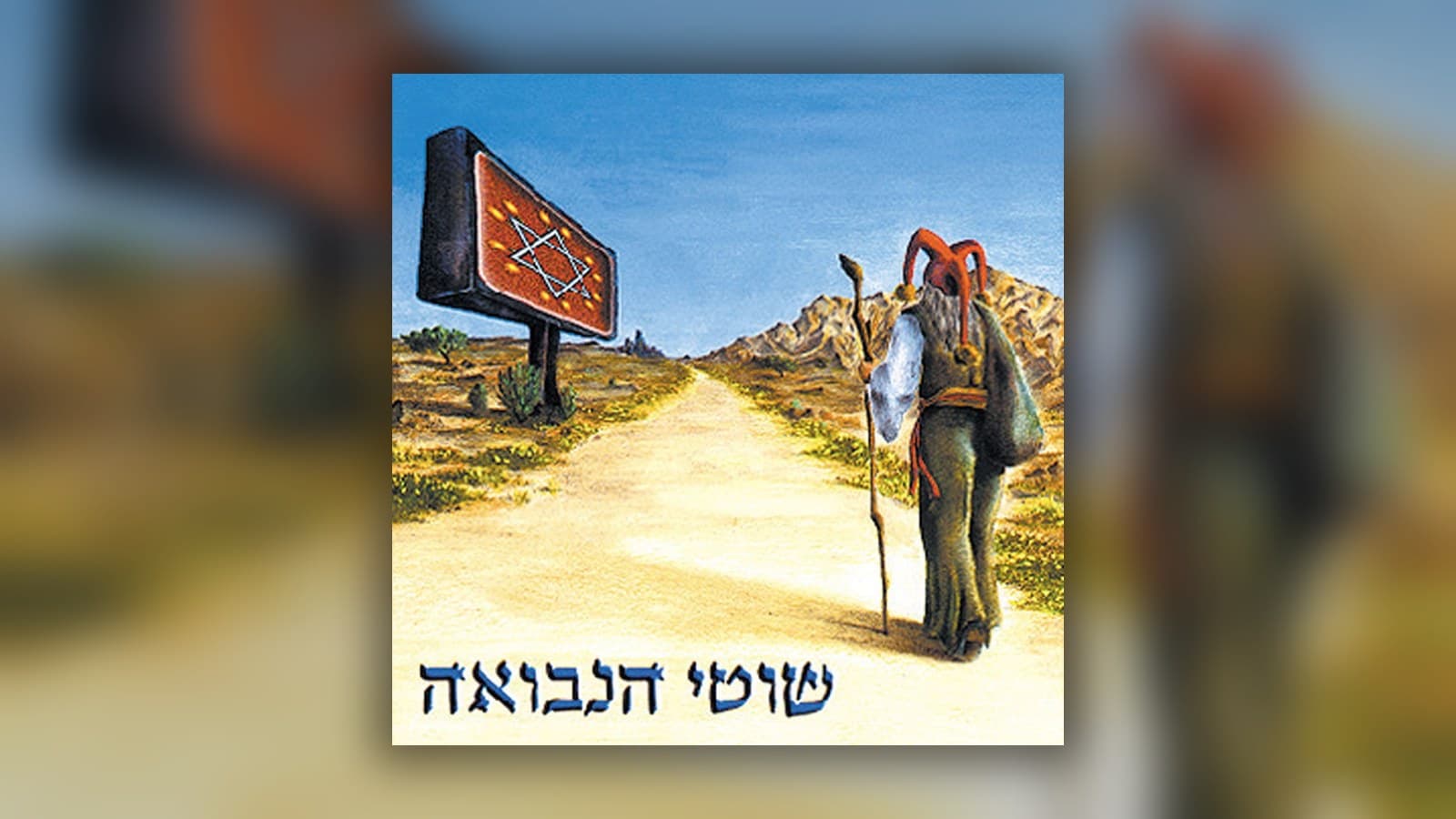
Album artwork: Shotei HaNevua
Before one of their concerts on the East Coast in 2005, the members of the Israeli band Shotei HaNevua stopped at a small roadside restaurant. Their waitress, Tracy, asked them where they were from and what they did for a living. The musicians told her they had a band and were performing on campuses that week on behalf of Israel at Heart. They spoke about their country, their music, and the unusual reason they were traveling across America. Before leaving, they gave her one of their CDs (yes, this was still a time when people listened to music on CDs).
A few days later, just before another concert, a package arrived backstage. Inside were fresh donuts, hot apple cider, and a handwritten note. Tracy had been listening to the CD in her car ever since they met. She had decided to drive to the concert herself, and was waiting excitedly in the front row.
“That small encounter captured everything Israel at Heart hoped this tour would achieve.”
A unique sound
Founded in the late 1990s, Shotei HaNevua (meaning “The Fools of Prophecy”) quickly became one of Israel's most original and beloved bands. Blending reggae, rock, funk, Middle Eastern rhythms, and spiritual influences, the group created a musical language that was unmistakably its own: uplifting, deeply human, and impossible to fit into a single genre.
At its heart were six close friends:
- Roy Levy: vocals and percussion
- Avraham Tal: vocals, flute, and percussion
- Gilad Vital: vocals and bass
- Amit Carmeli: guitars, keyboards, percussion, and vocals
- Idan Carmeli: drums and percussion
- Assi Givati: guitars
Their friendship was as much a part of the band's identity as their music, giving every performance a rare sense of warmth, spontaneity, and joy.
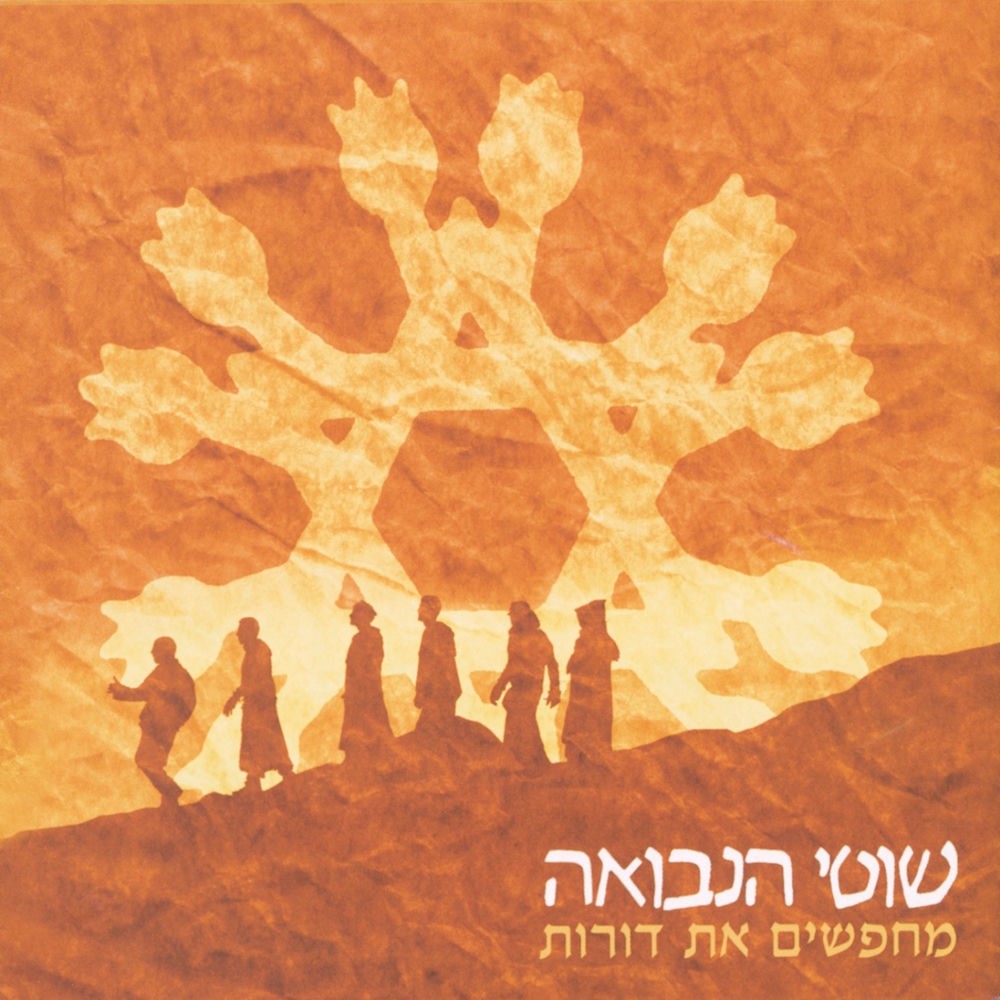
Nearly two decades after the tour, the band's story gained a bittersweet chapter when founding member Gilad Vital was killed in an accident in 2024. His creativity, musicianship, and spirit remain an inseparable part of Shotei HaNevua's legacy, and of the unforgettable journey they shared together.
A new kind of public diplomacy
The idea for the tour began after the members of Shotei HaNevua learned about Israel at Heart through the television series The Ambassador.
They approached the organization's founder, Joey Low, with an unconventional proposal: instead of sending students to represent Israel, as Israel at Heart had been doing successfully, why not send a band? Music, they believed, could open doors that politics often closed.
Low immediately embraced the idea. Over the following months, Israel at Heart transformed itself into something resembling a concert promoter, coordinating venues, student organizations, transportation, and publicity across some of America's most prestigious universities.
Harvard and Yale: an extraordinary beginning
The tour opened at Harvard University in Cambridge, Massachusetts. Few campuses carry more symbolic weight. America's oldest university, and one of the world's leading academic institutions, became the first stage for an experiment in cultural diplomacy.
More than 500 students packed the concert, and according to one local newspaper, the audience “danced in hysteria.”
The following morning, the musicians visited classrooms, spoke with students about life in Israel, and continued conversations that had begun the night before, not through politics, but through music. That evening, they travelled to nearby Yale University, where another enthusiastic audience welcomed them.
New York: music instead of politics
The next stop brought the band to New York University and Columbia University. Rather than beginning with concerts, the visit started around Shabbat tables. Hundreds of students shared dinner with the musicians, singing familiar songs from home before moving into an open conversation.
The questions were revealing: Where did your music come from? How did the band begin? And what does “Shotei HaNevua” actually mean?
What stood out most was what nobody asked: there were almost no questions about terrorism, Gaza, or Israeli politics. For perhaps the first time, many students were encountering Israel not as a news story, but as a group of musicians sitting across the table.
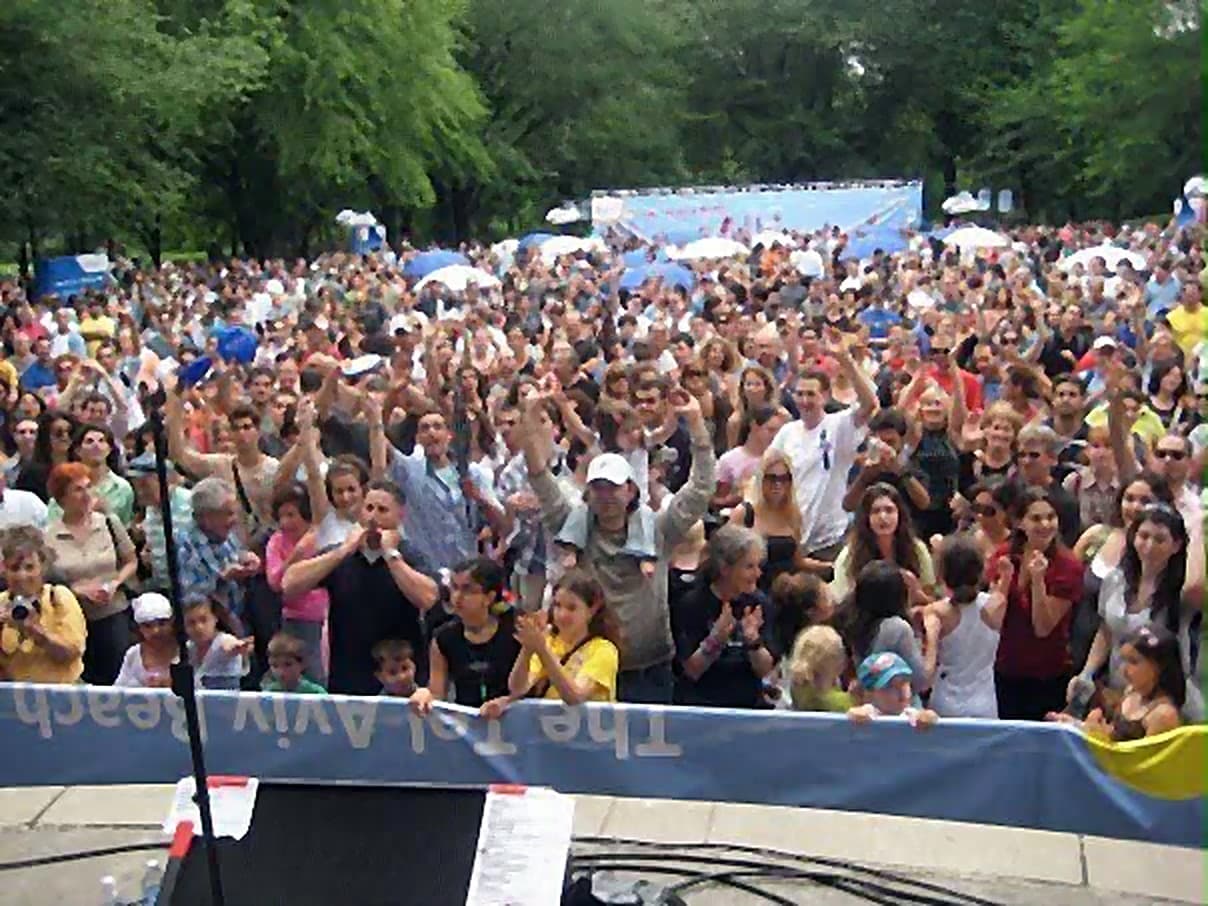
The highlight of the tour came on Halloween weekend at Spirit, a Manhattan concert venue. Israel at Heart volunteers spent weeks promoting the event across New York City's universities, hanging posters, distributing flyers, and working with student organizations. Nearly 1,000 people attended, far beyond expectations.
The audience reflected New York itself: American and Israeli students, young professionals, members of the Jewish community, and curious music lovers. It became one of the largest Israel-related cultural events organized for young adults in New York that year.
Maryland and Cornell: students make the difference
At the University of Maryland, another 600 students filled the university ballroom. Some had travelled more than an hour by bus, and the experience reinforced something Israel at Heart had already understood: energetic campus leaders could turn a concert into a community event, capable of bringing together hundreds of people who otherwise might never have attended anything connected to Israel.
Finally, after an exhausting twelve-hour drive, the musicians concluded their tour at Cornell University in Ithaca. Students gathered on the lawns during the day for informal conversations and an unplugged jam session before the evening performance at one of the town's best-known live music venues.
By now, the musicians themselves had begun reflecting on what the tour meant.
“It's incredibly moving to see the bond that exists between us and our brothers and sisters in the Diaspora. This is the first time I've truly felt that the phrase ‘the Jewish people’ isn't just a cliché, it's something real. People think that ‘hasbara’ means coming here to fight Palestinian organizations. We didn't come to fight anyone. We came to show all the colors that exist in Israel.”
“They don't really know what Israel is. To them, it's something they see on television, something virtual, somewhere beyond the ocean. We come from there, and it's important for us to show them what Israel is really like.”
“This tour is expensive, but it's also far more powerful, because it can genuinely change the way people see Israel. We aren't measuring success by quantity. We're measuring it by the quality of the hearts we manage to touch. And when you truly touch someone's heart, they carry that experience forward. That's our mission.”