Sports Diplomacy
When the court did the talking: Israel at Heart's basketball delegation
Israel at Heart bet that if you put Israeli and American students on the same court, the real conversations would take care of themselves. Nine games across Boston and New York proved the point.
By Rona Gottlib
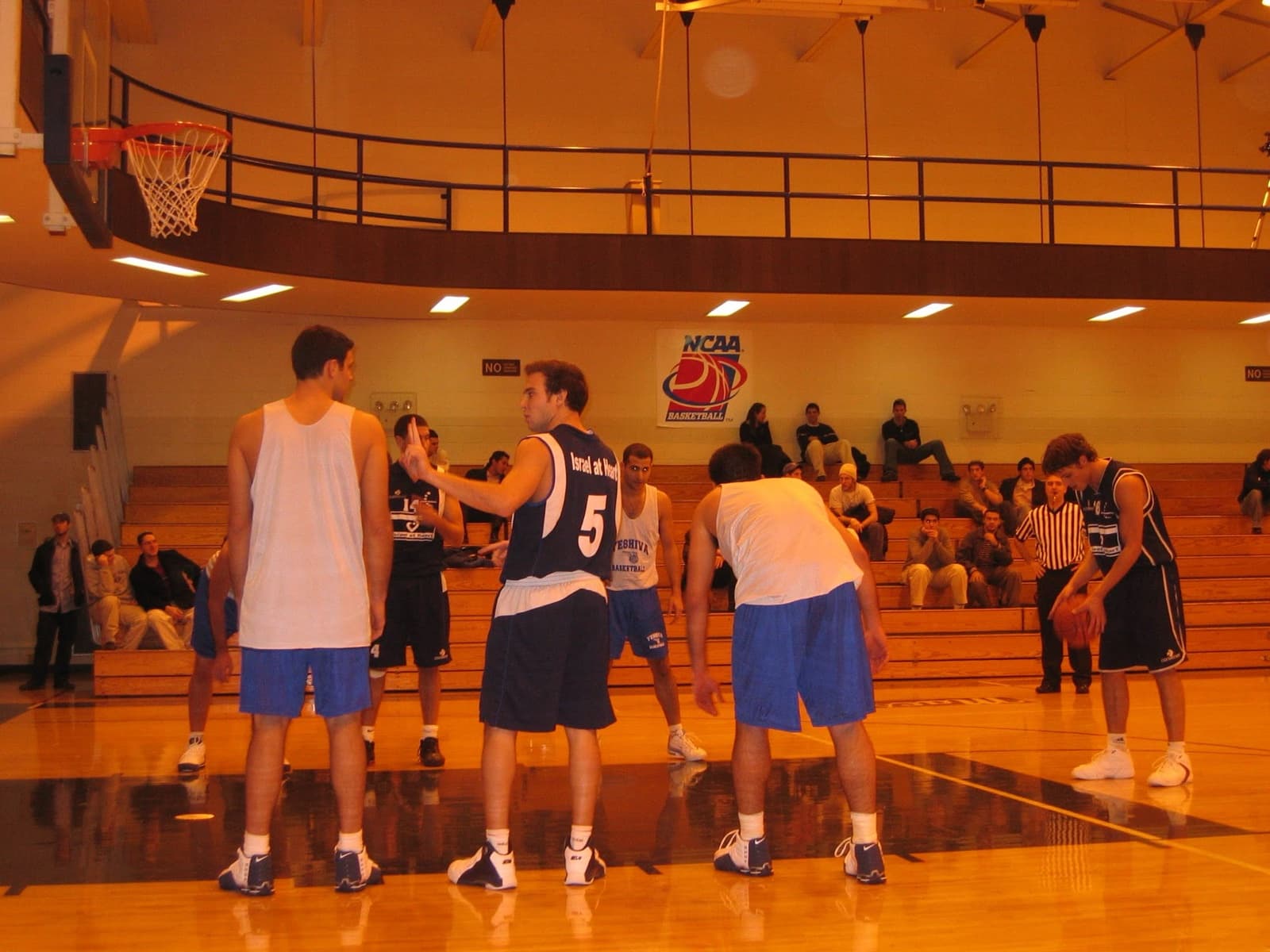
Photo: Rona Gottlib
Israel at Heart ran a basketball program built on a simple bet: put Israeli and American students on the same court, and the real conversations would take care of themselves. No panel discussions, no talking points, just a game, and whatever came after it.
The flagship trip
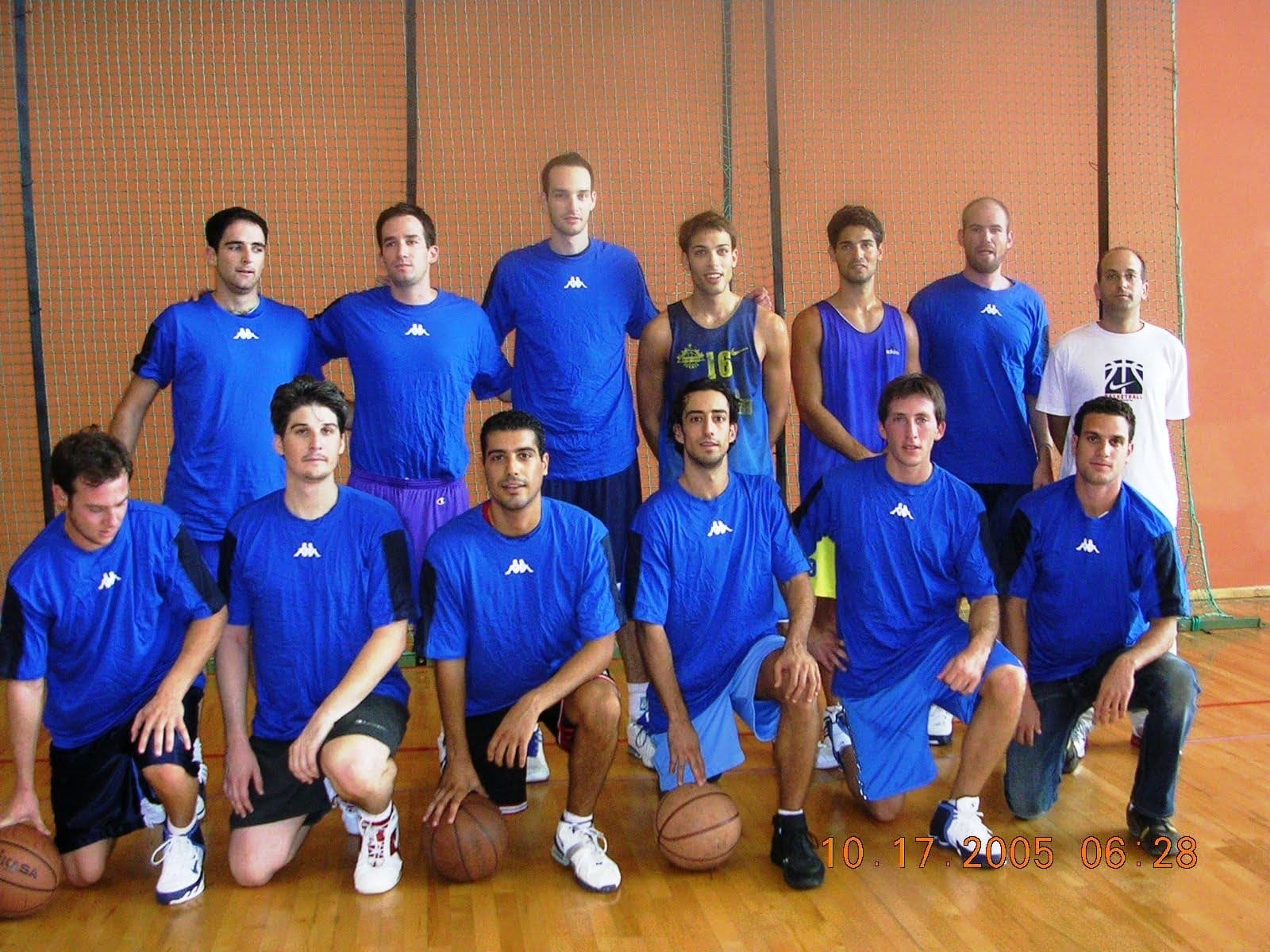
The organization's signature delegation pulled together a squad of players drawn from several Israeli universities and flew them to the United States for a run of games against NCAA Division III programs in and around Boston and New York. Nine games, back to back, against college teams who had never met an Israeli opponent before stepping onto the court with one.
What happened after the final buzzer
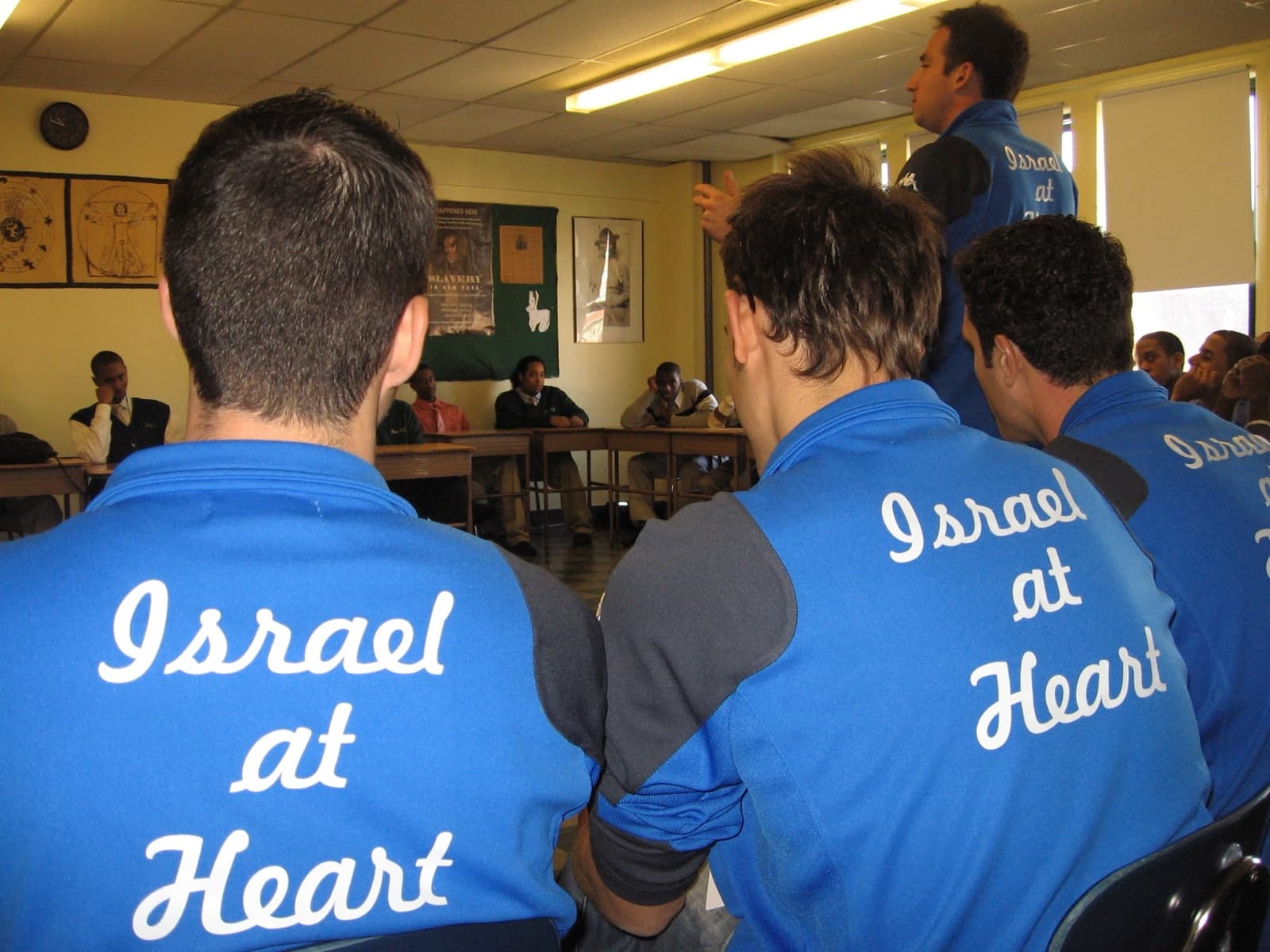
The score rarely turned out to be the part anyone remembered. Once a game ended, players on both sides tended to stick around, and that is when things got interesting. In college classrooms the morning after a game, or in a half-emptied gym as both teams packed up their bags, Israeli and American players fell into conversation about things a scoreboard never covers: what military service was actually like, what a normal week of classes looked like back home, how two very different daily lives could still feel oddly familiar to each other. Trust built over ninety minutes on the hardwood carried straight into an hour of talking once the whistle stopped.
Why it worked
Nobody on either team was there to make an argument. They were there to play. That was the whole point: a shared love of the game gave two groups of strangers a reason to spend a few hours together before anyone started talking about Israel at all, which made the conversations that followed feel less like outreach and more like something that would have happened anyway, between teammates.